AI-powered tools and resources to enhance learning for students and educators.
Billions flow into AI education readiness, but rural schools — the communities that need it most — are locked out by grant application complexity, not lack of interest. With aiEDU's 2026 Community Catalyst Program allowing nonprofits to apply (Letters of Intent due May 21), parent-led coalitions may be the only force nimble enough to break the cycle.
Nearly 60 percent of GED learners drop out when they hit math — not because they cannot learn, but because admitting what they do not know feels humiliating. AI-powered tutoring tools like Pinned AI Tutor are changing that by making the most vulnerable moment in learning completely private, and the results are striking: retention nearly quadrupled and pass rates are climbing right into the gap where most test-takers fail.
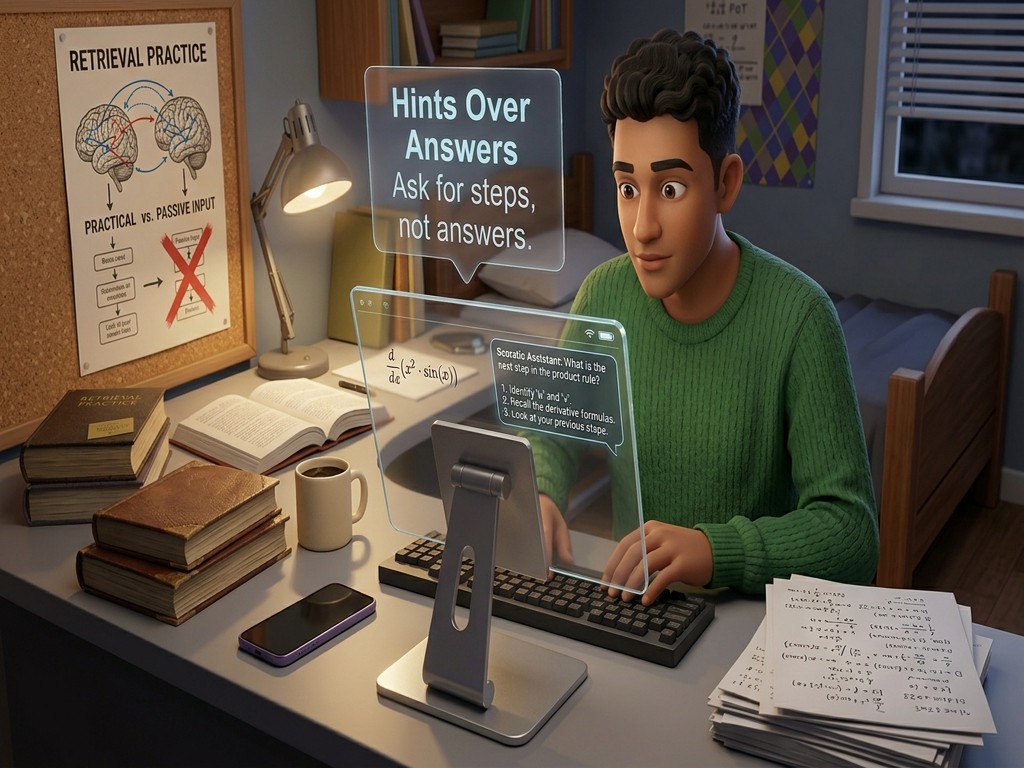
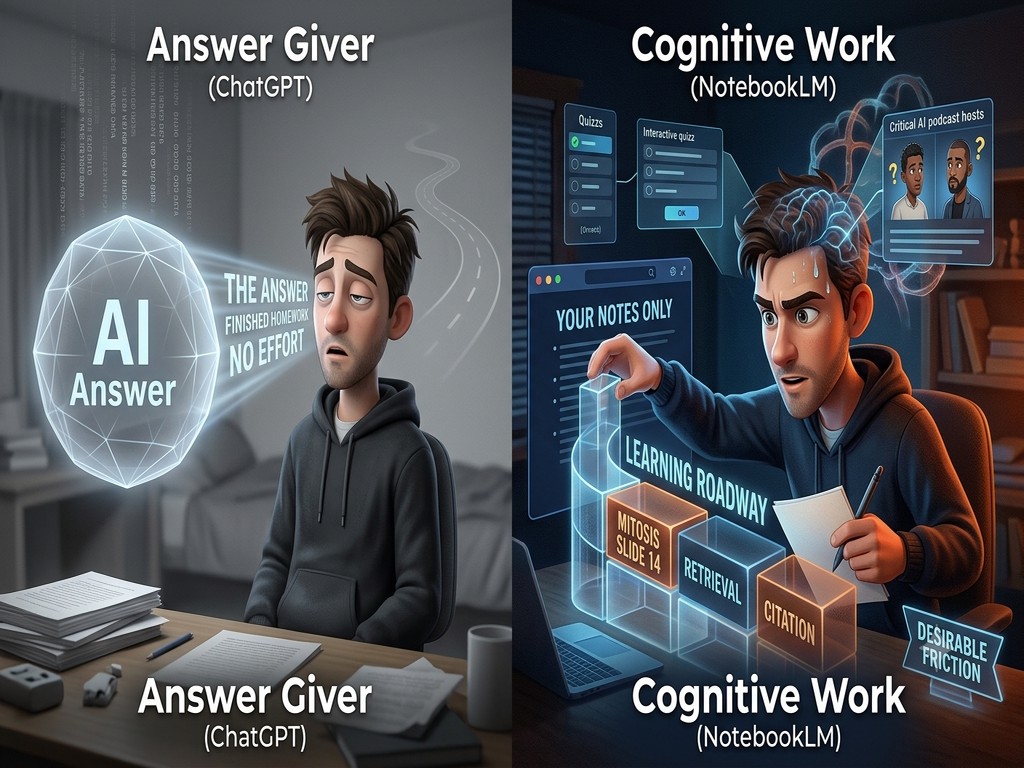
Schools are wasting time policing AI use instead of teaching students to think critically. By flipping the assignment and making AI a sparring partner rather than an answer key, educators can build the one skill that never becomes obsolete: the ability to question whether an answer is actually any good.
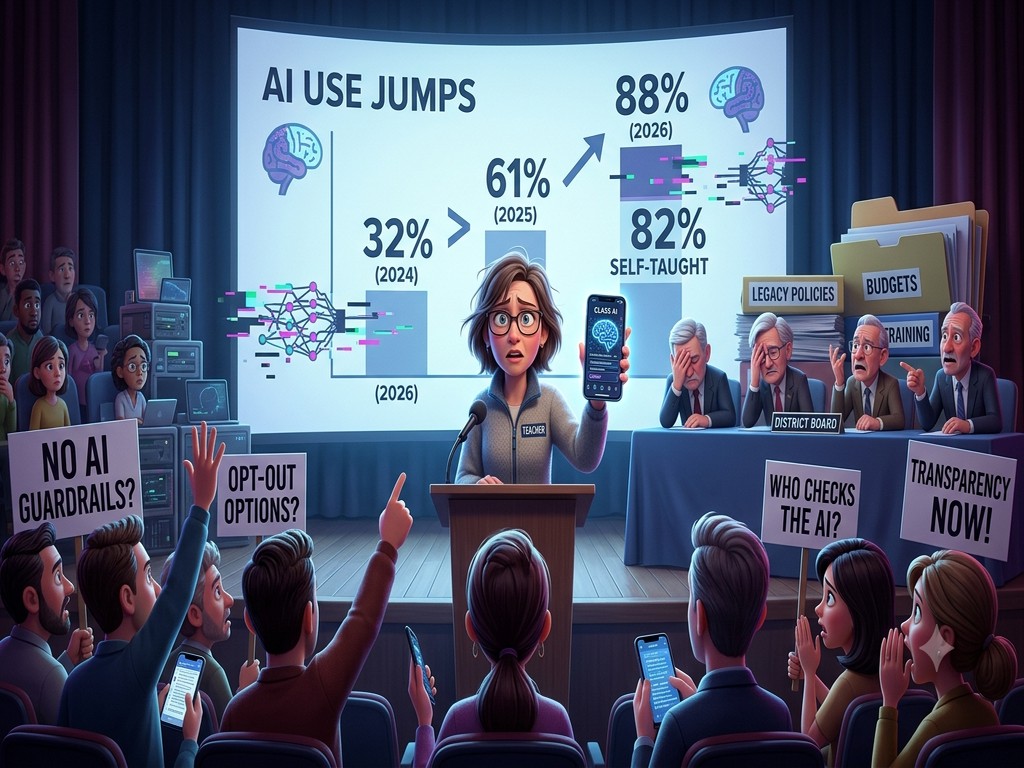
AI in the classroom has exposed a trust gap between schools and parents. From the Radnor High School deepfake scandal to NYC parents pushing back on AI policy, the pattern is clear: schools that invite parents into the conversation before implementing AI build trust, while those that act first and explain later shatter it.
In the AI age, education must shift from memorizing maps to building bridges. Students need to move beyond information retrieval toward adaptability, debugging failure, architecting solutions, and preserving the human judgment that machines cannot replicate.
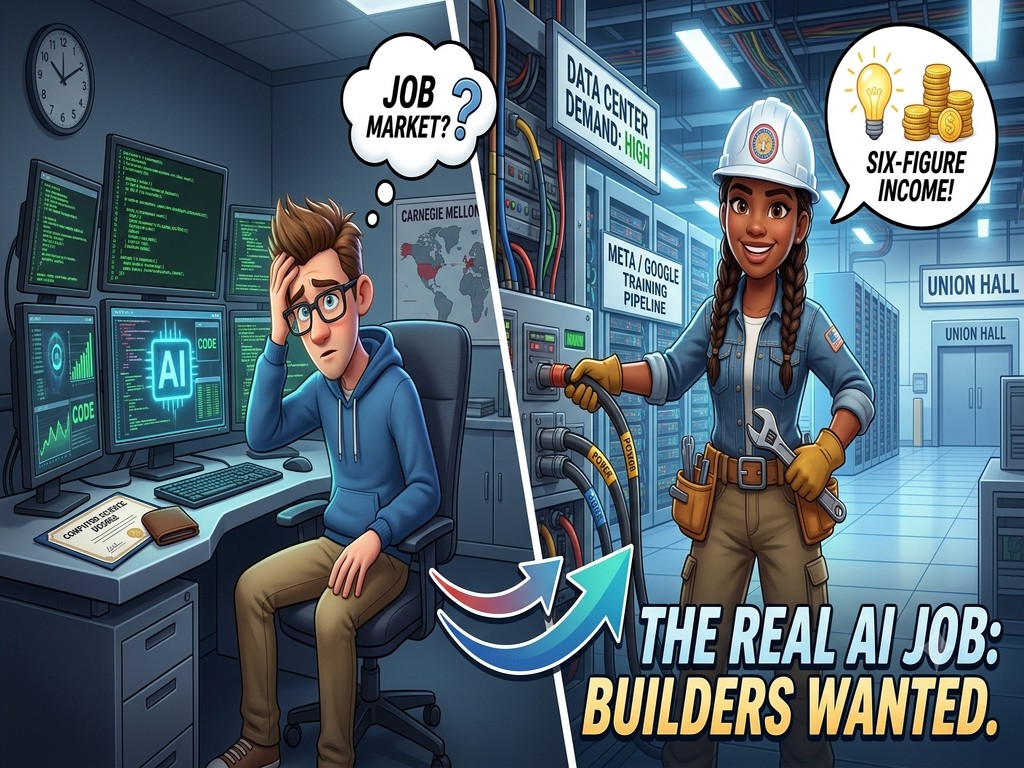
A story about how AI is reshaping the promise of college education, told through the eyes of an immigrant mother and her son navigating a future where adaptability matters more than credentials.