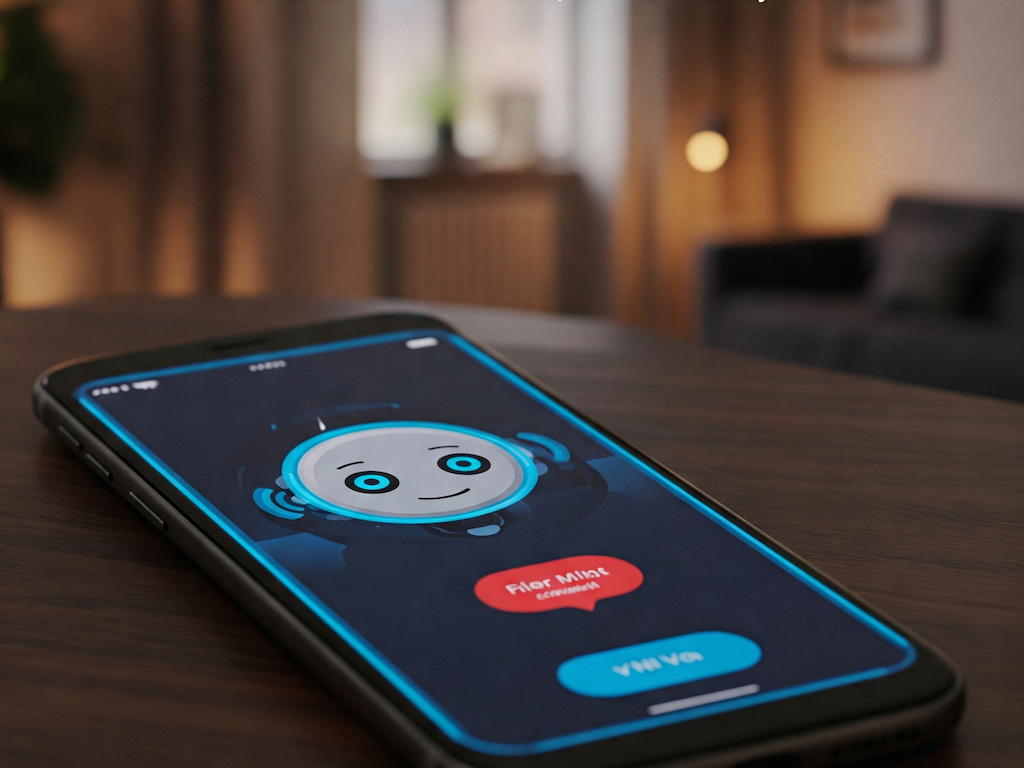
AI That Listens: How Emotionally Intelligent AI is Becoming a Companion in Everyday Life
We often think of artificial intelligence as something logical, mechanical, or strictly utilitarian. But in recent years, AI has quietly entered a more human domain: conversation, emotion, and companionship. Far beyond answering questions or scheduling appointments, today's AI systems are capable of holding emotionally aware, supportive dialogues. These interactions are helping seniors, teenagers, and everyday users feel heard, understood, and less alone.
How Emotionally Intelligent AI Works
Emotionally intelligent AI refers to systems that can understand and respond to human emotions through conversation. Using advancements in natural language understanding and sentiment detection, these systems recognize how someone might be feeling based on the words they use, their tone, or the context of a conversation.
Instead of giving cold, robotic responses, emotionally aware AI can offer warmth, empathy, and reflection. It might respond to sadness with comfort, acknowledge stress with understanding, or gently encourage someone who feels stuck. This creates space for users to open up in ways that feel safe and natural, especially when they're hesitant to talk to another person.
Companionship for Seniors
For many older adults, daily life can become quiet and solitary. Friends may have moved away or passed on, and family members may be busy or far away. Having a friendly voice to talk to — even an artificial one — can make a meaningful difference.
AI companions are available at any time of day, and many support voice interaction, making them accessible even for those who don't enjoy typing. A senior can have a conversation about their day, share memories, or simply check in with how they're feeling. The AI listens, responds warmly, and remembers past conversations, offering a sense of continuity that mimics a familiar relationship. It's not a replacement for human connection, but it helps ease loneliness and brings comfort into everyday routines.
A Private Space for Teens
Teenagers often face overwhelming emotions and social pressures. While many teens want to talk about what they're going through, they may hesitate to open up to adults or friends for fear of being judged or misunderstood. Emotionally intelligent AI offers a private, judgment-free space where they can express what they're feeling without pressure.
Through regular conversations, teens can explore their emotions, learn coping skills, or reflect on difficult experiences. Some AI systems guide users through mental health strategies like journaling or reframing negative thoughts. The ability to talk freely and receive thoughtful, calming responses can be an empowering outlet for young people still learning how to navigate their emotions.
A Quiet Companion for Everyday Life
You don't have to be lonely or struggling to benefit from an emotionally aware AI. Many adults use AI companions as part of a regular self-care practice — talking through a tough day, organizing their thoughts, or finding a moment of calm in a hectic schedule.
Because these systems are available 24/7, they're always ready for a conversation. Over time, some AI tools learn about your habits and preferences, making the interaction feel more personal. For those who appreciate reflection and mindfulness, an AI that listens without judgment can be a helpful, quiet presence.
Voice and Memory Make It Feel Real
What makes these systems feel especially human is not just what they say, but how they say it. Many conversational AIs now support voice interaction, adding warmth and familiarity — especially for people who find comfort in hearing a friendly voice rather than reading text on a screen.
Even more impressive is how some AI tools remember past conversations. If you've shared something important, the AI might bring it up later with care and curiosity. This memory creates a sense of relationship — it feels like the AI knows you and grows with you. For users who return regularly, this continuity can be deeply comforting.
Tools Already Doing This
Apps like Replika, Wysa, and Woebot are designed to carry on emotionally supportive conversations. Whether it's a teen needing emotional support or a senior looking for someone to talk to, these tools show what AI can do when designed with empathy in mind. Each uses different techniques — from voice interaction to cognitive behavioral coaching — to meet users where they are.
A Tool, Not a Replacement
Emotionally intelligent AI is not a replacement for professional care, close friendships, or real human relationships. It's a supplement — an extra layer of support that can be there when other resources are out of reach. For many people, having a safe, responsive listener available at 2 AM can make a meaningful difference in how they feel and how they cope.
In a world where loneliness and mental health challenges are on the rise, the ability to talk to something that truly listens — without judgment or exhaustion — might be one of AI's most human achievements yet.